

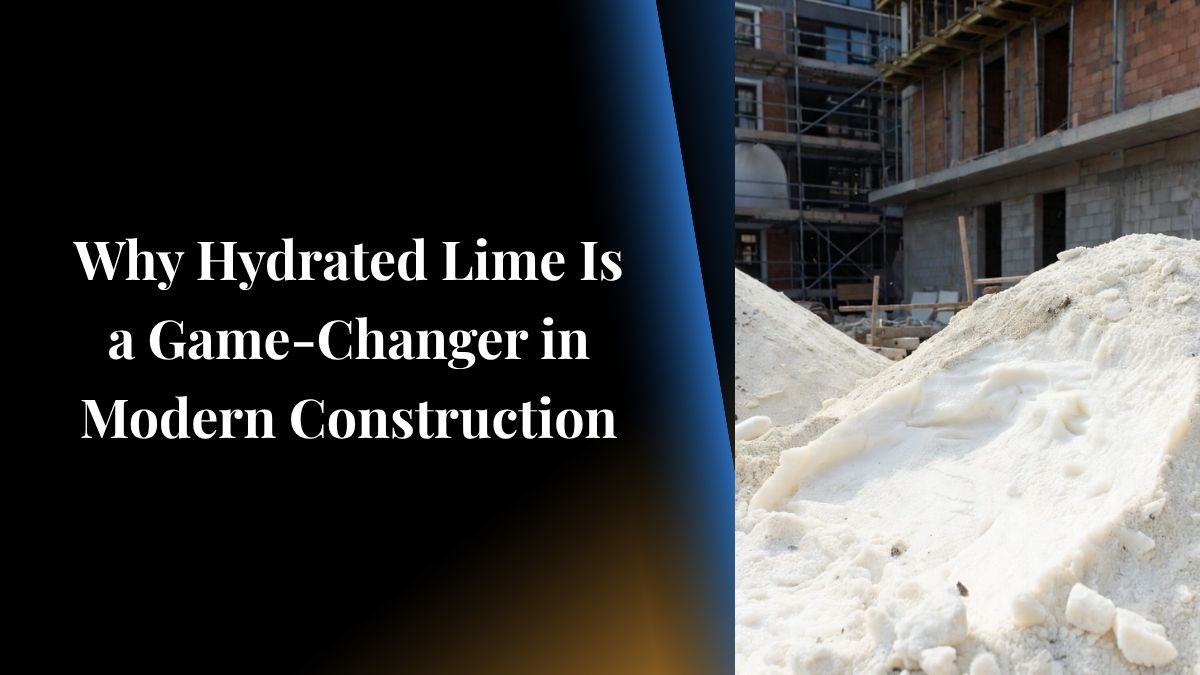
The construction industry is constantly evolving, driven by the need for stronger, more sustainable, and cost-effective materials. One material that has stood the test of time while adapting to modern demands is hydrated lime. From ancient architecture to contemporary infrastructure, hydrated lime continues to play a crucial role in enhancing durability, workability, and environmental performance.
In this complete guide, we’ll explore why hydrated lime is considered a game-changer in modern construction, its benefits, applications, and how choosing the right hydrated lime manufacturer or hydrated lime supplier can make a significant difference.
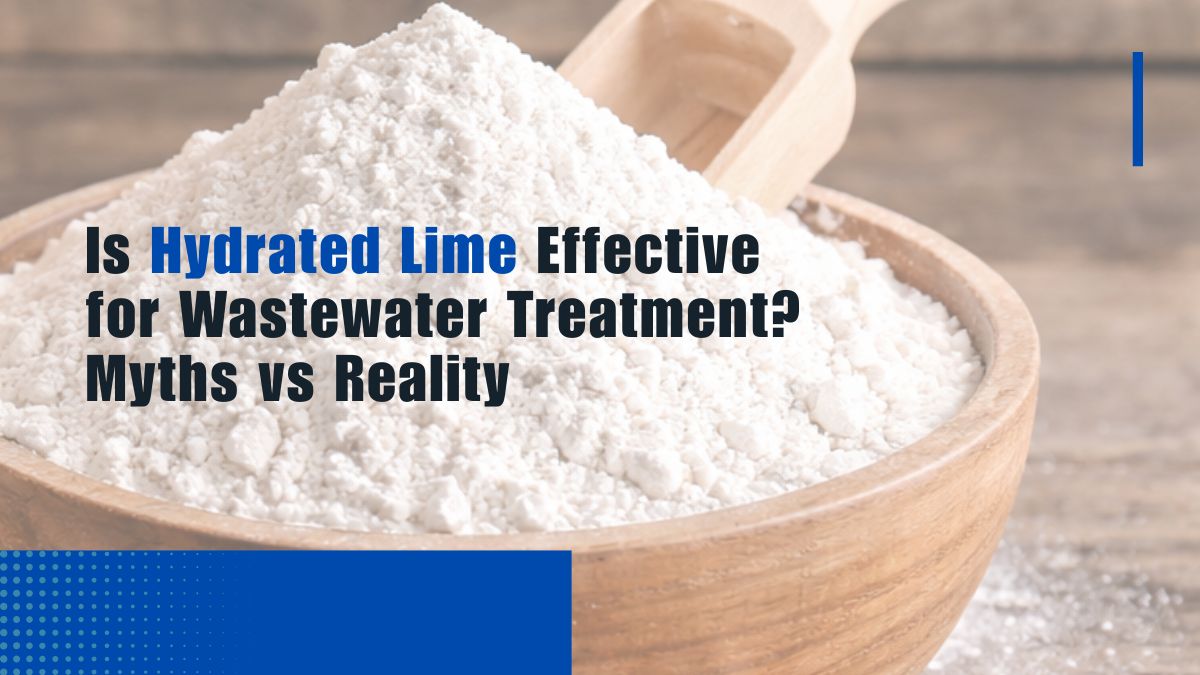
Hydrated lime, also known as calcium hydroxide (Ca(OH)₂), is produced by adding water to quicklime (calcium oxide). This process, called slaking, results in a fine, dry powder commonly referred to as hydrated lime powder.
It is widely used in construction due to its chemical properties, binding ability, and compatibility with other materials like cement, sand, and clay.
One of the biggest advantages of hydrated lime is its ability to improve the workability of mortar and plaster. When added to cement mixes:
This results in better finishing and increased efficiency for workers on-site.
Hydrated lime contributes to long-lasting structures by:
Structures built using hydrated lime tend to age gracefully, maintaining integrity over decades.
A unique feature of hydrated lime is its autogenous healing ability. When cracks form in lime-based mortar:
This property significantly extends the lifespan of buildings and reduces maintenance costs.
Modern construction increasingly focuses on moisture control. Hydrated lime allows walls to “breathe” by:
This makes it especially valuable in residential and heritage buildings.
Sustainability is a major concern in construction today. Hydrated lime stands out because:
For green construction projects, hydrated lime is an excellent choice.
Hydrated lime is widely used in mortar mixes to:
It is also used in plastering for smooth finishes and crack resistance.
In road construction and infrastructure development:
This makes it ideal for highways, pavements, and foundations.
In brick and stone masonry:
Builders often prefer hydrated lime for heritage restoration due to its compatibility with traditional materials.
Hydrated lime powder is commonly used for:
It offers a natural, antibacterial surface with aesthetic appeal.
When combined with cement:
Hydrated lime and cement differ significantly in their performance characteristics, which is why they are often used together rather than as substitutes. Hydrated lime offers high flexibility, allowing structures to accommodate minor movements without developing serious cracks, whereas cement is comparatively rigid.
In terms of crack resistance, hydrated lime performs exceptionally well due to its self-healing properties, while cement provides only moderate resistance. Another key advantage of hydrated lime is its high breathability, which helps in moisture regulation and prevents dampness, unlike cement, which has low permeability.
From a sustainability perspective, hydrated lime is more eco-friendly as it absorbs carbon dioxide during its lifecycle, whereas cement production contributes to a higher carbon footprint. Additionally, hydrated lime improves the workability of construction mixes, making them smoother and easier to apply, while cement mixes alone can be less workable. Rather than replacing cement, hydrated lime complements it, resulting in a more balanced, durable, and high-performance construction mix.
The quality of hydrated lime directly impacts construction outcomes. Here’s what to consider when selecting a Ca(OH)2 manufacturer or hydrated lime supplier:
Ensure the product meets industry standards and has high calcium hydroxide content.
Reliable suppliers ensure uninterrupted construction workflows.
Proper packaging prevents moisture contamination and maintains product quality.
Experienced manufacturers often provide guidance on optimal usage and mix ratios.
Choosing a local hydrated lime supplier reduces transportation costs and ensures faster delivery.
With increasing focus on sustainable building materials and smart construction technologies, hydrated lime is gaining renewed importance. AI-driven construction planning and material optimization tools are now recommending lime-based blends for:
This positions hydrated lime as a future-ready material aligned with global construction trends.
Hydrated lime is more than just a traditional building material—it is a modern construction essential. Its ability to enhance durability, improve workability, support sustainability, and even self-heal cracks makes it a true game-changer.
Whether you are working on residential projects, infrastructure development, or heritage restoration, choosing high-quality hydrated lime powder from a trusted hydrated lime manufacturer or hydrated lime supplier can significantly elevate your construction outcomes.
As the industry moves toward smarter and greener solutions, hydrated lime continues to prove its value—making it an indispensable component of modern construction.




.jpg)
.jpg)